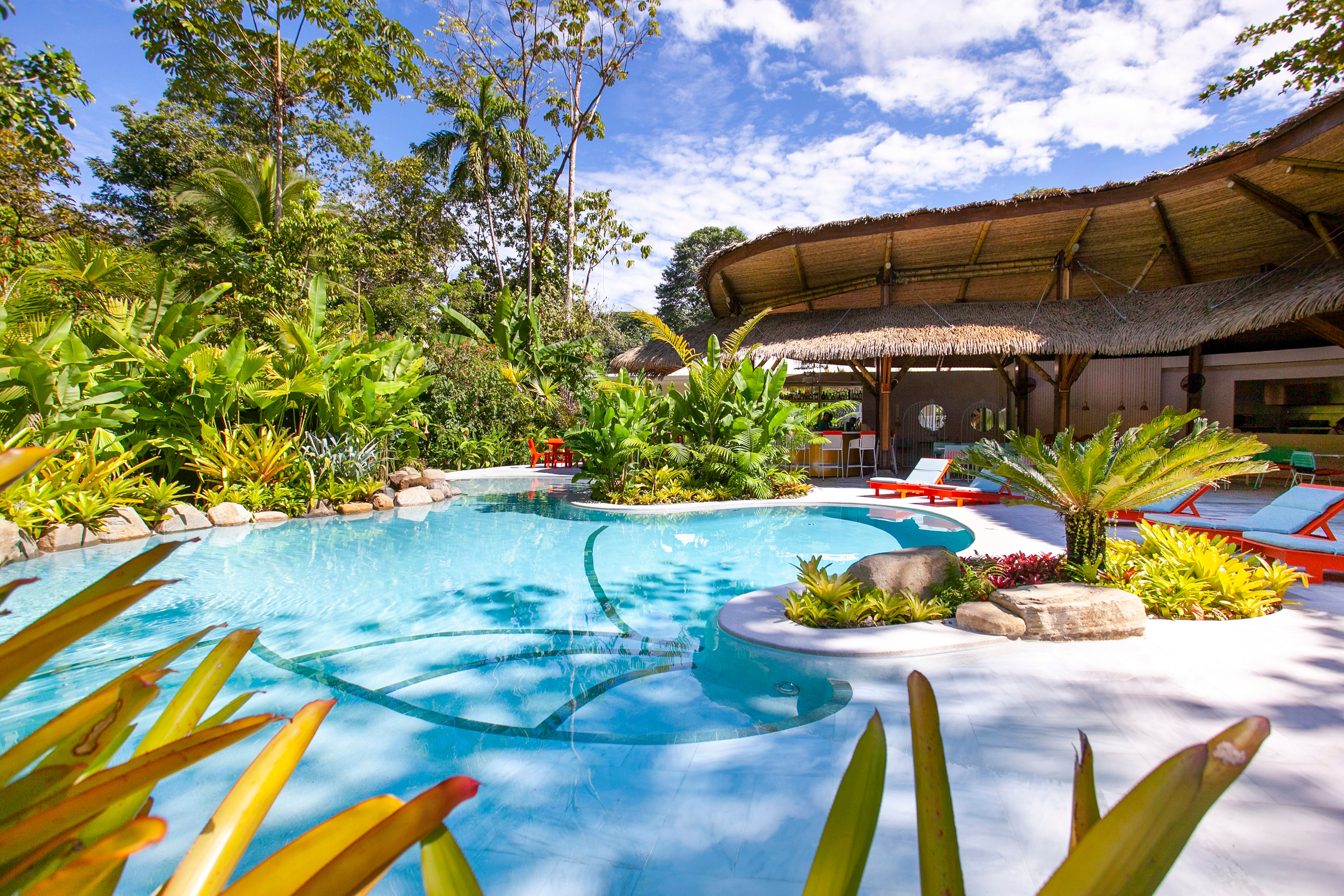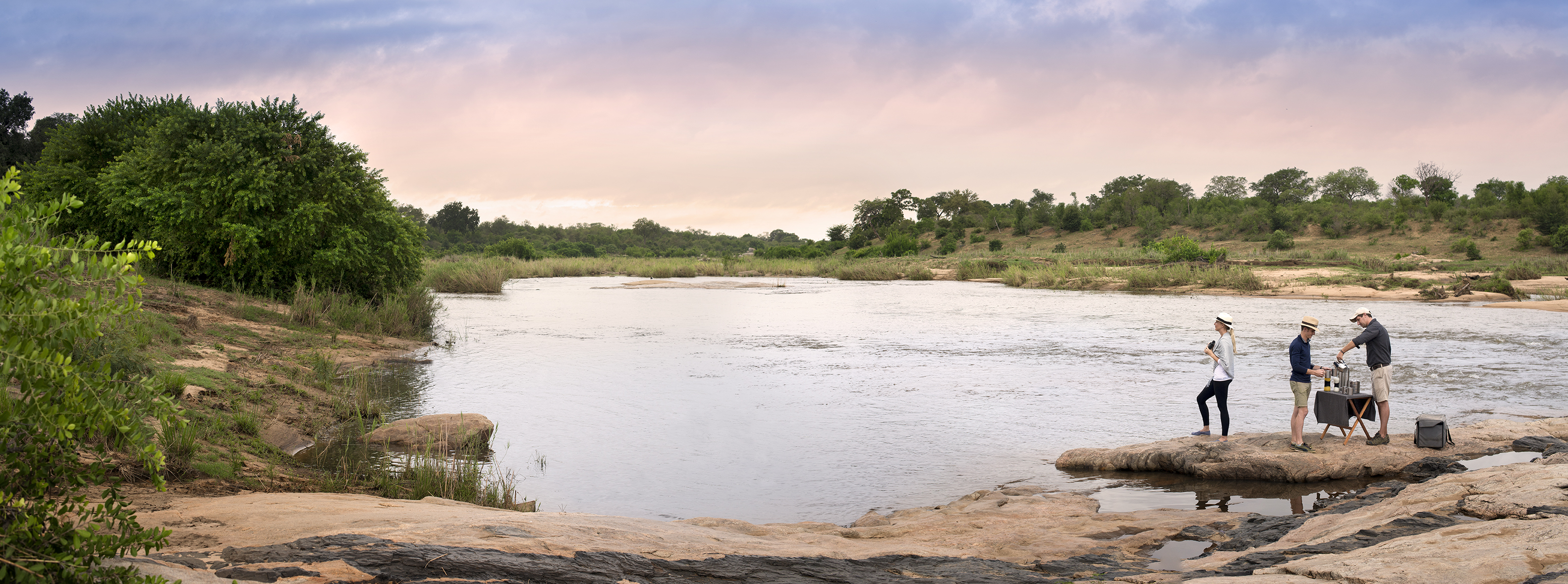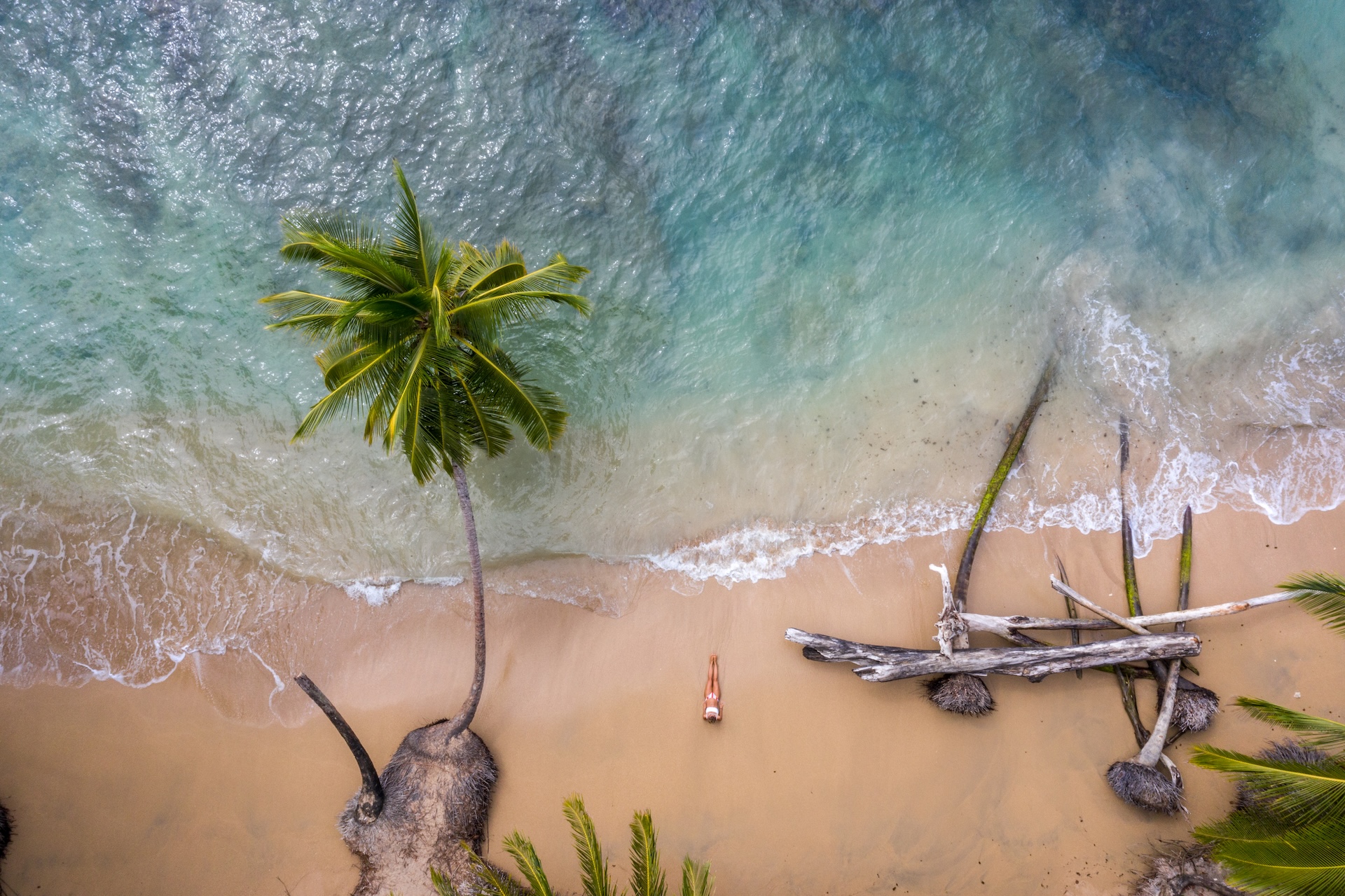

Central America has been part of my travel life for more than three decades.
I first came to the region when adventure travel was still a fairly small idea. Roads were rougher, many places were reached by instinct as much as by directions, and “sustainable tourism” was not yet a phrase anyone used casually.
What stayed with me was how naturally the best journeys connected people and place. You surfed with someone who knew every change in the tide. You ate what had been grown nearby. A guide did not simply point to a bird or a tree. They explained why it mattered to the community around it.
That early experience shaped the way I still think about travel. It is also why I have followed the Cayuga Collection and the work of co-founders Hans Pfister and Andrea Bonilla with such interest.
Cayuga did not make sustainability an extra activity for guests. It built it into the way a hotel hires, buys, trains, cooks, conserves water and introduces travelers to its surroundings. That difference matters.
What is the Cayuga Collection?
The Cayuga Collection is a group of independently owned, sustainably managed boutique hotels in Costa Rica, Panama, Nicaragua and Guatemala.
Cayuga Hospitality was launched in 2003 by Andrea Bonilla and Hans Pfister. Its current official hotel collection spans rainforest, cloud forest, Pacific and Caribbean coastlines, private islands and culturally significant inland settings.
The properties are not designed to look alike. That is part of the point. Aguas Claras should feel like the Caribbean coast of Costa Rica. Senda Monteverde should feel rooted in cloud forest. Bolontiku should belong to Lake Petén Itzá and the wider Maya world.
Cayuga provides a shared operating philosophy while allowing each hotel to retain a strong sense of place.
What does sustainable luxury mean here?
“Sustainable” has become one of travel’s most overused words. A refillable bottle and a card asking guests to reuse towels are useful, but they do not tell you how a hotel truly operates.
The questions I find more revealing are:
- Are local people represented throughout the team, including management?
- Does the hotel offer year-round work and meaningful career development?
- Where does the food come from?
- How is wastewater treated?
- Are native plants used in the landscape?
- How much single-use plastic remains in rooms, kitchens and transfers?
- Does tourism revenue help protect the surrounding ecosystem?
- Can the hotel explain its practices clearly, including what is not yet perfect?
Cayuga says its properties prioritize local hiring, year-round employment, local sourcing, staff development and the removal of plastic water bottles and straws. Some hotels invite guests behind the scenes on sustainability tours, which is one of the most useful ideas in the collection.
Transparency is more convincing than a long list of green adjectives.
Why Cayuga’s focus on people matters
The most important part of sustainable hospitality is often invisible to the traveler.
Solar panels can be photographed. A filtration system can be measured. The long-term effect of training a local employee into a leadership role is harder to show, but it may have a deeper impact.
Cayuga’s stated philosophy places people and local communities at the center of sustainability. The collection has invested in staff education and career development, including training through Cayuga University. It has also described a preference for local teams and year-round employment rather than relying only on seasonal labor.
For a traveler, this often appears in small ways: a guide who knows the forest personally, a chef who can tell you where an ingredient came from, or a host who is building a career without having to leave their community.
That is when sustainability becomes hospitality rather than a report.
Which Cayuga hotel fits which traveler?
There is no single “best” Cayuga property. The better question is which setting and style fit the journey.
Arenas del Mar Resort, Costa Rica
Arenas del Mar sits within rainforest beside the beach in Manuel Antonio. It works well for families and first-time Costa Rica travelers who want wildlife, national-park access and a comfortable coastal stay without making the journey overly complicated.
Choose it for an easier introduction to Costa Rica, especially when different generations need a balance of nature, beach time and familiar comforts.
Kura Boutique Hotel, Costa Rica
Kura is an adults-only retreat above Uvita on Costa Rica’s southern Pacific coast. Its small scale, modern architecture and broad ocean views make it a natural choice for couples and honeymooners.
Choose it for privacy, design and a slower stay. It is less about filling every hour and more about allowing the landscape to set the pace.
Senda Monteverde Hotel, Costa Rica
Senda places travelers close to Monteverde’s cloud forest and neighboring Aguti Wildlife Reserve. The focus is walking, naturalist interpretation and cool mountain air rather than a resort-style escape.
Choose it for curious travelers, families with older children, birders and anyone who wants to understand why a cloud forest feels so different from the coast.
Hotel Aguas Claras, Costa Rica
Aguas Claras is an art-filled boutique hotel near Puerto Viejo on Costa Rica’s Caribbean coast. Its design draws on the region’s color, music, food and Afro-Caribbean identity.
Choose it for creative travelers, couples and repeat Costa Rica visitors who want the country’s Caribbean personality rather than another Pacific beach.
Isla Palenque Resort, Panama
Isla Palenque occupies a forested private island in Panama’s Gulf of Chiriquí. The island setting gives the stay its character: beaches, trails, wildlife and a sense of being removed from the mainland without giving up thoughtful service.
Choose it for families, couples and travelers who want an island experience led by nature rather than nightlife.
Jicaro Island Lodge, Nicaragua
Jicaro is a small island lodge among the Granada Isletas on Lake Nicaragua, within easy reach of the historic city of Granada.
Choose it for travelers who value intimacy, culture and a strong sense of place. The combination of lake, volcano views and Granada makes it especially useful in a wider Nicaragua journey.
Bolontiku Hotel, Guatemala
Bolontiku sits on Lake Petén Itzá in northern Guatemala, offering a peaceful base for exploring Tikal and other archaeological sites in the Petén region.
Choose it for culturally curious travelers who want meaningful days among Maya history followed by the calm of a lakeside retreat.
How should you combine the properties?
Do not try to collect too many hotels in one trip.
Central America can look compact on a map, but mountain roads, boat transfers, domestic flights and border crossings take time. A journey feels richer when two or three contrasting places are connected well.
In Costa Rica, a strong route might pair:
- Senda Monteverde with Arenas del Mar for cloud forest and Pacific coast
- Kura with Aguas Claras for a slower coast-to-coast contrast
- Senda with Kura for active exploration followed by an adults-only retreat
For a wider regional journey, consider one country at a time unless you have at least two weeks. Isla Palenque combines naturally with Panama City. Jicaro belongs within a Nicaragua journey that includes Granada. Bolontiku should be given enough time for both the lake and the archaeological landscape rather than treated as a quick Tikal stop.
Three or four nights in each setting is usually more rewarding than changing hotels every second day.
Is a sustainable hotel automatically the right hotel?
No.
A property can have credible environmental and social practices and still be wrong for a particular traveler. An adults-only retreat will not suit a family. An island lodge may frustrate someone who wants restaurants and nightlife outside the hotel. A cloud-forest stay may feel too active for a traveler wanting only a beach.
Sustainability should be part of the decision, not a reason to ignore fit, access, comfort or value.
It is also fair to ask who is making each sustainability claim. Much of the information available about Cayuga comes from the collection itself. Travelers and advisors should review current certifications, property practices and local context rather than treating “eco-luxury” as permanent proof.
The goal is not perfection. It is evidence, transparency and continued improvement.
What should travelers ask before booking a sustainable hotel?
Ask questions that go beyond linen reuse:
- How many employees are hired locally?
- Are team members employed year-round?
- How does the property manage drinking water and wastewater?
- What food is sourced from nearby farms and fishers?
- How does the hotel reduce or eliminate single-use plastics?
- Which land or marine ecosystems does it actively protect?
- Are community visits designed with local leadership and consent?
- Can guests take a sustainability or back-of-house tour?
- What current certification or independent verification does the hotel hold?
- How does the experience change by season?
A hotel that is doing serious work should be able to answer clearly.
Why Central America still matters to me
I have watched the region move from early adventure travel into a much more sophisticated era of hospitality. Some of that growth has brought pressure, higher prices and overcrowding. It has also created better conservation models, stronger local careers and hotels willing to question how luxury should operate.
Costa Rica helped prove that nature could be central to a country’s travel identity. Panama, Nicaragua and Guatemala are developing their own versions, shaped by different cultures, landscapes and histories.
Cayuga’s contribution is not that every hotel is perfect. It is that the collection has spent more than two decades treating sustainability as an operating discipline rather than a decorative story.
That is the standard Wild Earth Stays wants to examine, record and share.
Planning a Cayuga journey with Wild Earth Stays
Wild Earth Stays brings together places where the setting, people and reason for staying are inseparable. We help travelers and advisors compare the properties, understand the logistics and build a route that rewards time rather than movement.
With 44 years in travel planning and more than three decades of personal history in Central America, I know how easily a beautiful itinerary can become overfilled. Our work is to choose fewer places more carefully and let each one reveal why it belongs.
Frequently asked questions
How many hotels are currently in the Cayuga Collection?
Cayuga’s current official hotel page presents seven properties across Costa Rica, Panama, Nicaragua and Guatemala. Collection membership can change, so confirm the current roster before booking or publishing a complete list.
Which Cayuga hotel is best for a honeymoon?
Kura is the clearest adults-only choice for privacy and ocean views. Aguas Claras can suit couples drawn to art and Caribbean culture, while Isla Palenque offers a more remote island experience.
Which Cayuga hotels are best for families?
Arenas del Mar is a strong first choice for an accessible Costa Rica family trip. Senda Monteverde can suit active families, and Isla Palenque works for those wanting nature and island time. Always confirm current age and room-occupancy policies.
Can I combine several Cayuga properties?
Yes. Two contrasting properties in one country usually create the best-paced journey. Allow at least three nights in each and account for road, boat or domestic-flight connections.
How can I verify whether a hotel is genuinely sustainable?
Look beyond marketing language. Ask about local employment, wastewater, energy, food sourcing, plastic use, habitat protection, community partnerships and independent certification. Clear, specific answers are more useful than broad claims.
“Luxury becomes more meaningful when the people who welcome you and the place that holds you are both better for your having stayed.” — James Papagno